What is Alternative Energy Therapy?
Alternative Energetic Therapy is a collective term for treatments that work with the energy in and around the body. These therapies assume that physical and mental complaints arise from disturbances or blockages in the energetic field. By restoring these energy pathways, the body's self-healing capacity can be activated.
Complementary to regular care
Although this approach falls outside mainstream medicine, interest is growing. Many people use energetic therapies to complement regular care, for example for stress, chronic pain, fatigue or emotional complaints.
How does it work?
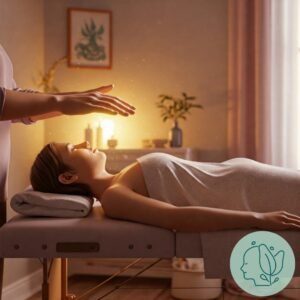
Most energetic therapies are non-invasive and focus on restoring balance. This can be through laying hands, vibrations, pressure points or heat.During a session, one often feels deep relaxation, which is good for your health.
The practitioner works with life energy, also known as chi, qi or prana, to release blockages. This energy is not visible, but it can be felt: many clients report a warm, tingling or flowing sensation during or after treatment.
Well-known forms of energetic therapy
There are diverse forms of energetic therapy, each with its own method and origin. Below is an overview of some popular variants:
- Reiki: a Japanese method in which the therapist transmits universal life energy through the laying on of hands. Often used for stress, anxiety and pain complaints.
- Acupressure and acupuncture: Originating from traditional Chinese medicine. Pressure (acupressure) or needles (acupuncture) on specific points stimulate the flow of energy.
- Bioresonance Therapy: uses electromagnetic vibrations to detect and correct imbalances in the body. Best known for allergies, fatigue and digestive complaints.
- Moxa Therapy: This involves applying heat to acupuncture points with heated herbs (usually mugwort). Often used for chronic pain or cold sensations.
- NEI Therapy (Neuro Emotional Integration): combines kinesiology with psychology to release unconscious blockages and emotional charges.
- ReAttach Therapy: a modern method aimed at improving information processing in the brain. Often used for trauma, autism or stress-related complaints.
- Holistic Therapy: looks not only at symptoms, but at the person as a whole: body, mind and spirit. Energetic work is often part of this.
What are the applications?
People choose energetic therapy for various reasons. It is often for complaints for which there is no clear solution in mainstream care, or as a complement to existing treatments. Common applications are:
- Stress and burnout
- Sleep problems
- Anxiety and depression
- Chronic pain
- Fatigue
- Emotional imbalance
- Rehabilitation after illness
Research shows that energetic therapies can have a positive effect on well-being and stress levels. For example, a study from Journal of Integrative and Complementary Medicine (2021) shows that one session of energy treatment can significantly reduce stress and negative emotions - even in people with chronic pain.¹
In practice
A session of energetic therapy lasts 45 to 60 minutes on average. Sometimes it involves touch (as in Reiki), sometimes without physical contact. Many clients experience more relaxation, fewer complaints and improved body awareness after just a few sessions.
An example: Sanne (28) struggled with unexplained fatigue for years. After a few sessions of bioresonance and NEI therapy, she felt more energetic and gained more insight into the emotional patterns behind her complaints. She now combines these therapies with yoga and nutrition.
Wondering which form of alternative energetic therapy suits you best? Check out the overview of therapists on Therapievergelijk.nl and find a practitioner near you.
 EN
EN  NL
NL