Dorn Therapy: a gentle path to more balance and less pain
Chronic back pain, a crooked pelvis, stiff knees or recurrent headaches, many people walk around with them for a long time. It may seem like the only choice then is between painkillers or major surgery. But there is also a milder method that can be surprisingly effective: Dorn Therapy.
This manual therapy focuses on correcting misalignments in the spine and joints, in a gentle and active way. More and more people are discovering the benefits of this body-friendly approach.
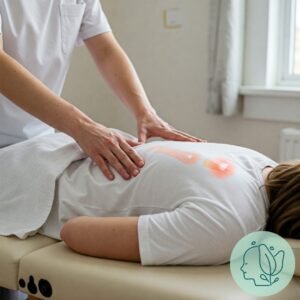
What is Dorn Therapy?
Dorn Therapy is a natural treatment method in which the therapist uses gentle pressure and dynamic movements to correct slight misalignments. The unique aspect of this therapy is that, as a client, you actively move along during treatment.
Suppose your sacrum is slightly out of alignment. Then the therapist asks you to swing your leg, while making a mild correction by hand. This collaboration between pressure and movement naturally involves muscles and connective tissue in the recovery process.
Where does the method come from?
The Dorn Method was developed in the 1970s by Dieter Dorn, a German carpenter. When doctors found no solution to his wife's persistent headaches, he discovered that a vertebra in her neck was out of alignment. With a slight correction and head movement, the pain disappeared. It was the beginning of an approach now used across Europe.
When can Dorn Therapy help?
Dorn Therapy is often used for complaints originating in misalignment of vertebrae, joints or pelvises. Because these misalignments affect nerves, muscles and even organs, the method can provide relief for many different complaints.
Common indications:
- Back and neck pain
- Sciatica and hernia
- Leg length difference
- Pelvic instability
- Headache or migraine
- Scoliosis
- Digestive complaints
- Tension in shoulders or jaw
According to a 2017 German study* of 90 participants with low back pain, patients experienced significant pain reduction and improved range of motion after Dorn Therapy compared to a control group.
How does a session run?
Treatment usually starts with measuring the leg length difference, as this is often the key to other misalignments. This is followed by a series of targeted corrections:
- Pelvis and legs: while lying or standing, the therapist moves your leg while applying pressure to the hip joint.
- Spine: by making arm or head movements, the therapist gently corrects the vertebrae.
- Neck and shoulders: this region is also included, depending on your symptoms.
Afterwards, you are often given simple exercises to take home to maintain balance. The session lasts 30 to 60 minutes on average.
What makes Dorn different from chiropractic, for example?
Dorn Therapy is distinguished by its gentle and gradual corrections, without sudden squatting movements. You actively participate in the treatment by moving with it, which not only deepens the effect, but also helps your body absorb the correction better. Moreover, the therapy focuses not on suppressing symptoms, but on restoring the underlying structural imbalance causing the symptoms.
Case study
Hans (42) from Amersfoort had been struggling for years with radiating pain in his leg due to a pinched nerve. After a few sessions of Dorn Therapy, his leg length had been corrected and he felt noticeably less pressure on his lower back.
Wondering if Dorn Therapy is for you? Check the list of certified Dorn therapists near you on therapycomparison.co.uk and find out who can help you with your specific complaints.
 EN
EN  NL
NL