Body-oriented therapy: listen to your body
Sometimes your head already knows what's going on, but your body lags behind. .body-oriented therapy helps you to recognise and release tensions and emotions that have stuck in your body. Not just by talking about it, but by feeling, moving or relaxing. This is how recovery starts, from the inside out.
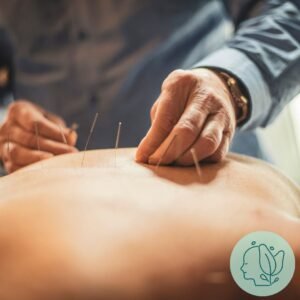
Why through the body?
The body is often more honest than the head. Tension accumulates in muscles, connective tissue or the nervous system, often without you even realising it. Think of an oppressive feeling in your chest, a stiff back or a knot in your stomach. By listening to these signals with focused attention, you can get to the core of the problem faster.
Differences by approach
What that looks like varies with each approach. Some people find peace through gentle touch, others through physical movement. For some, the focus is on the nervous system, for others on posture or muscle tension. Those who recognise themselves with stress complaints or trauma often end up with a somatic or polyvagal approach. If you need relaxation at connective tissue level, then close craniosacral therapy ON. Movement and expression are central to PMT, while physical complaints such as back pain or muscle knots are often treated effectively through dorn- either trigger point therapy.
What does it deliver?
Body-oriented therapy gets you out of your head and back in touch with yourself. Many people experience more peace, fewer physical complaints and a better sense of balance after just a few sessions.
Wondering which form suits you? On therapievergelijk.nl you will find an overview of therapists in your area.
 EN
EN  NL
NL