Pelvic floor physiotherapy grip on complaints around pelvis and lower abdomen
Pelvic floor physiotherapy is a specialised form of physiotherapy that focuses on complaints in the area of the pelvis, lower abdomen and low back. These complaints occur in both women and men, and at all ages, from young children to the elderly. The therapy helps strengthen, relax and better control the muscles in and around the pelvic floor.
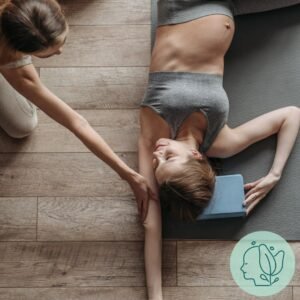
How do pelvic floor complaints occur?
The pelvis is a complex assembly of bones, joints, muscles and organs. Everything works together to support the body, allow movement and control the bladder and bowels. But if the pelvic floor muscles are too weak, too tense, or do not tighten or relax at the right time, all kinds of symptoms can arise.
Many people do not feel these muscles properly or know how to deal with them. This sometimes makes recognising and treating symptoms difficult. Problems can arise:
- during or after pregnancy
- around menopause
- due to incorrect urination or defecation behaviour
- after surgeries in the lower abdomen
- or simply due to prolonged misuse of the muscles
In children, symptoms often arise because they do not toilet properly or have difficulty using the toilet.
What does a pelvic physiotherapist do?
A pelvic physiotherapist will help you regain control of your pelvic floor muscles. This starts with explanation and awareness: where are the muscles, what do they do, and how can you control them yourself? Then you work together on recovery, with exercises and tools.
Therapy can provide support for, among other things:
- involuntary loss of urine or stool
- difficulty urinating or defecating
- constipation or prolapse of bladder, uterus or bowels
- pain around the anus, lower abdomen or genitals
- sexual problems such as pain during intercourse
- pelvic or low back pain during or after pregnancy
- recovery after abdominal or pelvic surgery
- Preparation for childbirth or recovery afterwards.
Sometimes the therapist deploys devices, such as biofeedback or electrostimulation, to improve body sensation (proprioception).
A practical example
Mieke (41) suffered from involuntary leakage of urine on exertion after the birth of her second child. She was embarrassed and avoided exercise. After being referred by her GP, she visited a pelvic physiotherapist. There, she learned to consciously tighten and relax her pelvic floor muscles. With targeted exercises, her muscle function recovered, and within a few months she could exert herself again without any worries.
Underpinned and effective
According to research by the Nivel (2022), 1 in 4 women in the Netherlands suffers from involuntary urine leakage at times. Pelvic floor physiotherapy is a proven effective treatment method for these complaints. The earlier you get there, the better the results.
 EN
EN  NL
NL